

Travel alert: Iraq, Syria shut airspace as Iran fires missiles after Beirut strikes shatter ceasefire calm
Qatar clarifies NOTAM issue amid widespread misinformation about full closure reports
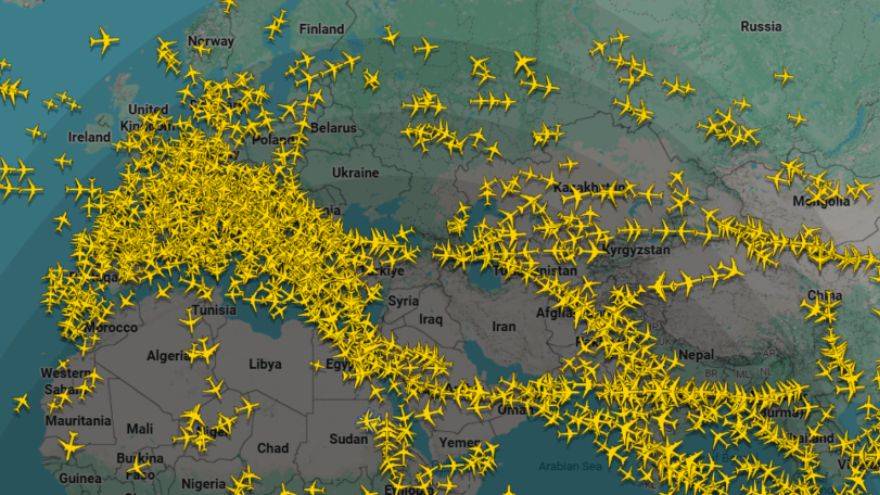
DUBAI – Airspace across the Middle East tightened rapidly on Sunday night into Monday as military escalation between Israel and Iran triggered a chain reaction of aviation restrictions, route changes and precautionary closures.
Iraq moved first, announcing a 72-hour suspension of all air traffic, followed by Syria, which closed southern air corridors and temporarily halted operations at Damascus International Airport for 12 hours.
Civil aviation authorities across the region cited ongoing security assessments and heightened operational risk as missile exchanges intensified between Iran and Israel. The disruptions came as airlines operating across Gulf-Levant corridors began diverting flights, extending travel times and rerouting services away from sensitive airspace zones.
Kuwait also escalated concerns at the diplomatic level, submitting a formal complaint to the International Civil Aviation Organisation (ICAO) over alleged violations of its sovereign airspace and damage linked to recent strikes. The country warned of serious implications for civil aviation safety and airport infrastructure after reported attacks affecting Kuwait International Airport operations.
Iraq, Syria airspace closure
The wave of restrictions spread unevenly across neighbouring states, reflecting differing threat assessments. Iraq’s full airspace closure marked one of the most significant disruptions, effectively sealing a major transit corridor used by international carriers operating between Europe, the Gulf and Asia.
???? … رئيس سلطة الطيران المدني العراقي ينفي سقوط طائرة مدنية داخل الأجواء العراقية
— الطيران المدني العراقي (@Iraqi_Civil) June 7, 2026
نفى رئيس سلطة الطيران المدني العراقي، السيد بنكين ريكاني، اليوم الأحد ، صحة الأنباء المتداولة بشأن سقوط طائرة مدنية داخل الأراضي أو الأجواء العراقية.
وأكد ريكاني : أن هذه المعلومات عارية عن… pic.twitter.com/Gtjejlrsh6
Syria’s move to suspend southern flight corridors further compressed available regional routes, forcing additional congestion over alternative Gulf pathways. Authorities in Damascus said the decision followed technical risk evaluations and coordination with aviation safety bodies, emphasising precautionary measures to protect civilian aircraft movement.
بيان صحفي: إغلاق مؤقت للممرات الجوية الجنوبية وتعليق العمليات التشغيلية في #مطار_دمشق_الدولي لمدة 12 ساعة.#الجمهورية_العربية_السورية#الهيئة_العامة_للطيران_المدني_السوري pic.twitter.com/xcCWAO8qO1
— الهيئة العامة للطيران المدني السوري (@SyrGACA) June 7, 2026
Meanwhile, Qatar’s Civil Aviation Authority rejected social media claims of a full shutdown, clarifying that only a Notice to Airmen (NOTAM) had been issued. The advisory introduced alternative routing instructions designed to maintain continuous air navigation services while avoiding affected airspace zones.
Beirut flashpoint
The aviation turmoil unfolded against the backdrop of renewed military escalation in Lebanon, where Israeli strikes hit Beirut’s southern suburbs in what officials described as targeted operations against Hezbollah-linked infrastructure. The strikes followed reported cross-border fire into Israel and resulted in casualties and damage in densely populated districts.
The Beirut attack marked a critical escalation point, effectively undermining a fragile ceasefire framework that had been under discussion between regional and international actors. Lebanese authorities reported multiple injuries, while emergency operations continued in affected areas as residents assessed structural damage.
The strike also triggered immediate political and military reactions across the region, with Iran warning of retaliation should attacks on its allied groups continue. The developments added further strain to already fragile diplomatic efforts aimed at containing the wider conflict.
Iran launches missiles
Within hours of the Beirut strikes, Iran launched multiple waves of missiles towards northern Israel, according to Israeli military statements. Air raid sirens sounded across several regions, while Israeli defence systems intercepted the majority of incoming projectiles.
The Islamic Revolutionary Guard Corps (IRGC) described the attacks as the beginning of a sustained operational response, framing them as retaliation for Israeli strikes in Lebanon. Israeli authorities confirmed interceptions and reported no immediate casualties, but placed national air defence systems on heightened alert.
The exchange marked one of the most significant direct confrontations in recent months, intensifying fears of a broader regional escalation involving multiple states and non-state actors across the Middle East theatre.